
The February 2025 issue of the authoritative medical journal, JTO, published by the International Association for the Study of Lung Cancer (IASLC), contains a key paper looking into the challenges of lung cancer health care in Argentina.

To quote the introduction to the paper:
“Argentina presents a diverse landscape both geographically and demographically. It is divided into 24 departments or provinces, including the Autonomous City of Buenos Aires. Almost 70% of the population lives in the richest six central provinces. Life expectancy is 76 years (73 y for men and 79 y for women). The country’s health care system is characterized by fragmentation, with the population covered by a mix of mandatory Social Security (60%), private health care providers (13%), and state-funded public health care (36%). Retired citizens have full medical coverage from the Programa de Asistencia Médica Integral. This fragmentation often leads to disparities in health care outcomes across different regions and subsystems.”
Gravity of lung cancer burden
The authors then make plain the size and gravity of the burden that lung cancer places on Argentina’s health resources:
“In 2022, cancer accounted for 15.6% of all deaths in Argentina, making it the third leading cause of death after cardiovascular and respiratory diseases. According to the Global Cancer Observatory, the age-adjusted incidence of lung cancer in 2022 was 215.48 cases per 100,000 inhabitants, positioning lung cancer as the third most common cancer after breast and colorectal cancer, but the leading cause of cancer mortality in both sexes. Although lung cancer mortality has decreased in men over the past 20 years, this trend only began to emerge in women after 2015. This reduction is largely attributed to the country’s ongoing efforts against tobacco consumption. The economic burden of lung cancer in Argentina in 2023 was estimated to be U.S. $556.20 million ($396.96–$718.20), approximately 1.4% of the total health care expenditure for the country.”
Read the full JTO article here: Lung Cancer in Argentina
GLCC reaction
The GLCC member organisation is Fundación Pacientes de Cáncer de Pulmon, founded by lung cancer patient advocate Peter Czanyo.
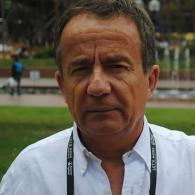
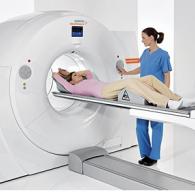
He is firmly committed to improving lung cancer care provision in Argentina and worldwide, and to improving outcomes for all those affected by the disease. Peter believes that better rates of early detection are crucial to delivering on these objectives, and, to that end, is calling for better access to lung cancer screening using Low Dose Computed Tomography (LDCT).
He said, ”It is very worrying to see that Argentina has such a level of lung cancer incidence. We must work hard to make sure people right across the country can have equal access to health care, and especially early diagnosis.
From the Lung Cancer Patients’ Foundation, we believe that access to screening is the most appropriate strategy to improve equity.”